Chat with us
Hysterectomy: What Every Woman Should Know Before, During, and After Surgery
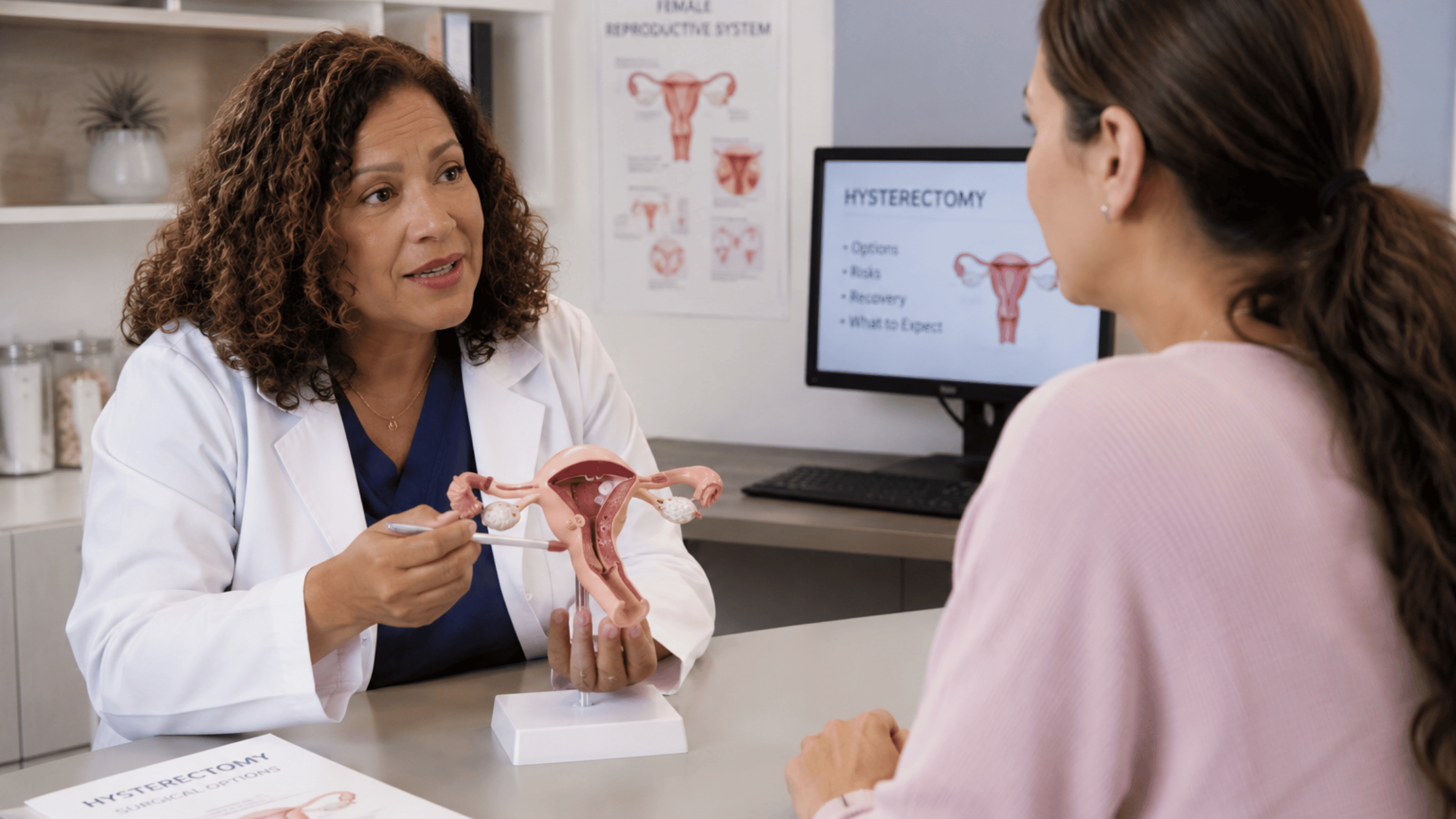
A hysterectomy is far from rare. In fact, roughly 1 in 6 adult women in the United States has had one. While the procedure is most common among older women, hysterectomy may be recommended at different ages to treat conditions ranging from fibroids and heavy bleeding to endometriosis, prolapse, and cancer.
Why Do Women Get Hysterectomies?
There are a variety of reasons a doctor may consider a hysterectomy. The most common reason for a hysterectomy is uterine fibroids: noncancerous growths in the uterus. Uterine fibroids can cause heavy or prolonged periods, significant pain, anemia, pressure, frequent urination, constipation, or an enlarged abdomen. Doctors will typically consider a hysterectomy when other treatments haven’t worked, or when symptoms are more severe.

Other reasons a doctor may consider hysterectomy as treatment include abnormal or heavy uterine bleeding, endometriosis, adenomyosis, uterine prolapse, gynecologic cancers, or pre-cancerous conditions. A hysterectomy may be recommended when a condition affecting the uterus causes significant symptoms, poses a health risk, or has not responded to other treatments. For some women, hysterectomy is the best treatment option; for others, less invasive treatments may be available.
Types of Hysterectomy Surgeries
Not all hysterectomies are the same. The type of surgery you have depends on your medical condition, symptoms, reproductive goals, and overall health. Your doctor will discuss which approach is most appropriate for you.
Total Hysterectomy
A total hysterectomy removes the uterus and cervix. This is the most common type of hysterectomy. After a total hysterectomy, you will no longer have menstrual periods and cannot become pregnant.
Importantly, a total hysterectomy does not necessarily mean your ovaries are removed. If your ovaries remain, they can continue producing hormones and may delay the onset of menopause.
Partial or Supracervical Hysterectomy
A partial hysterectomy, also called a supracervical or subtotal hysterectomy, removes the upper portion of the uterus while leaving the cervix in place. Because the cervix remains, your doctor may continue recommending routine cervical cancer screening. Some people may also experience occasional light bleeding after surgery.
Radical Hysterectomy
A radical hysterectomy is a more extensive procedure typically used to treat certain gynecologic cancers. It removes the uterus and cervix along with surrounding tissues and the upper portion of the vagina. Nearby lymph nodes may also be removed. Because this surgery is more extensive, recovery can be longer and the potential side effects can differ from those associated with a standard hysterectomy.
Hysterectomy With Ovary Removal
Sometimes a hysterectomy is performed along with removal of one or both ovaries. Removal of both ovaries is called a bilateral oophorectomy.
If both ovaries are removed before natural menopause, the sudden loss of ovarian hormones causes surgical menopause, which can bring symptoms such as hot flashes, night sweats, sleep changes, and vaginal dryness. Removing the ovaries isn’t automatically part of a hysterectomy, so it’s important to ask your doctor whether your ovaries will remain.
How Is a Hysterectomy Performed?
In addition to the type of hysterectomy, your surgeon may use different techniques to remove the uterus:
- Abdominal hysterectomy: The uterus is removed through an incision in the abdomen. This approach may be recommended when the uterus is enlarged or when more extensive surgery is needed.
- Vaginal hysterectomy: The uterus is removed through an incision at the top of the vagina. There is no abdominal incision, and recovery may be shorter for some patients.
- Laparoscopic hysterectomy: The surgeon uses small abdominal incisions and a camera to perform the procedure.
- Robotic-assisted hysterectomy: A minimally invasive approach in which the surgeon controls specialized robotic instruments through small incisions.

The best approach depends on why you’re having the surgery, the size and position of your uterus, previous surgeries, your overall health, and your surgeon’s recommendation. If you’re considering a hysterectomy, ask not only what will be removed, but also how the surgery will be performed and what that means for your recovery, hormones, fertility, and long-term health.
Before Your Surgery: Set Yourself Up for Success
It’s easy to forget that healing starts before surgery even happens. Preparing your body and your home ahead of time can help make the recovery process smoother.
Before you even arrive at the hospital for surgery, you should have recovery in mind. Here are some things you can do in the weeks leading up to hysterectomy surgery:
- If you smoke or vape, talk with your doctor about quitting before surgery. Tobacco use can interfere with wound healing and increase the risk of complications.
- Tell your doctor about any medications or supplements you are currently taking (even the all-natural ones).
- Arrange a ride to and from the hospital.
- Prepare meals that you can throw into the freezer and then put in a slow cooker or oven for the days following surgery when pain is typically at its highest.
- Ask friends and family ahead of time for any assistance you may need at home.
- Fill all prescriptions and pick them up so they are ready once you are home from the hospital.
- Write down all the questions you may have for your doctor. It’s better to ask too many questions rather than not enough.
Also read: How to Advocate for Yourself at Your OB-GYN Appointment
Nutrition and Hydration
Nutrition goes beyond just “healthy eating” during your hysterectomy recovery. What you put into your body is more important than you may realize.

- Protein-rich meals will help your body rebuild tissue. Protein can also help prevent muscle loss from inactivity, as well as supporting your immune system while your body heals.
- Vitamin C helps with collagen production, which will help your incisions and connective tissue heal.
- Fiber and fluids can help prevent constipation, which is especially important if you’re prescribed opioid pain medication. Anesthesia and some pain medications can temporarily slow your digestive system. Drink plenty of fluids according to your doctor’s recommendation.
- If your appetite is low, try smaller meals and snacks throughout the day rather than forcing yourself to eat large meals.
After Surgery: Healing isn’t Linear
Surgery is hard on your body. Healing takes time and may look different each day. One day you may feel great, and the next day you may need to take a nap after taking a shower. It’s important to listen to your body and take the time it needs to heal.
Here are some post-surgery tips to keep in mind as you heal.
Movement
Healing after surgery doesn’t always mean staying in bed to recover. Gentle, simple movement like standing up and walking for a few minutes at a time can have so many benefits following your surgery.
Gentle movement can help improve circulation, reduce the risk of blood clots, and encourage your digestive system to get moving again. Short walks throughout the day may also help reduce stiffness.

Always follow your doctor’s instructions about when and how much you should move after surgery.
Sleep and Rest
Sleep is much more important than some people realize. It gives your body time to rest and support the healing process. Do not feel guilty about resting your body! It’s ok to take naps, even if you feel like you’ve slept all day. Your body is healing and part of that healing process is sleep and rest. This is not laziness, this is healing.

Rest following a hysterectomy also includes pelvic rest. Your doctor will tell you how long to avoid vaginal intercourse, tampons, douching, and anything else inserted into the vagina. For many women, this restriction lasts several weeks while internal tissues heal. Follow your surgeon’s specific timeline, even if you feel ready sooner.
Also read: The Three Foundations of Women’s Health: Sleep, Nutrition & Exercise
Mental Health
Recovery isn’t just about physical healing. Just as with any surgery, healing can feel very isolating and frustrating. Physical healing can often lead to feelings of helplessness and a lack of independence. Remember that it’s ok to ask for help from others.
You may feel grief over the loss of fertility while also feeling relief that painful or disruptive symptoms are finally gone. Both feelings can coexist.

Some women may experience struggles with their body image following surgery. Limited movement, inflammation, and hormonal changes can lead some women to feel negatively about their body while they are in recovery.
It’s important to remember that you are not alone in your healing. Ask for help when needed. Whether you need help around the house or simply someone to keep you company, there is no shame in asking for support.
Healing: Know the Red Flags
As with any surgery, it is always important to follow your doctor’s instructions for incision care and taking care of your body. Most women recover without serious complications, but it’s important to know what isn’t normal. Contact your healthcare provider if you experience any of the following symptoms after surgery:
- Fever
- Heavy vaginal bleeding
- Worsening pain rather than a gradual improvement
- Redness or drainage from the incision
- Foul-smelling vaginal discharge
- Difficulty urinating or being unable to urinate
- Shortness of breath
- Chest pain
- Pain, redness, or swelling in one leg
You Don’t Have to Earn Rest
Recovery after a hysterectomy isn’t a race. Some days you may feel like you’re making great progress, while other days may require more rest. Give yourself permission to take things slowly, ask for help, and listen to your body. Your recovery is your own, and taking care of yourself isn’t selfish-it’s part of healing.
Read next: Shining a Light on Gynecologic Cancer Awareness Month